




2026 Complete VCE Education.
All rights reserved
How to Succeed in VCE Physics: 3 Major Challenges Solved
These are the three most common challenges we see students struggle with - and our advice on how to overcome them!
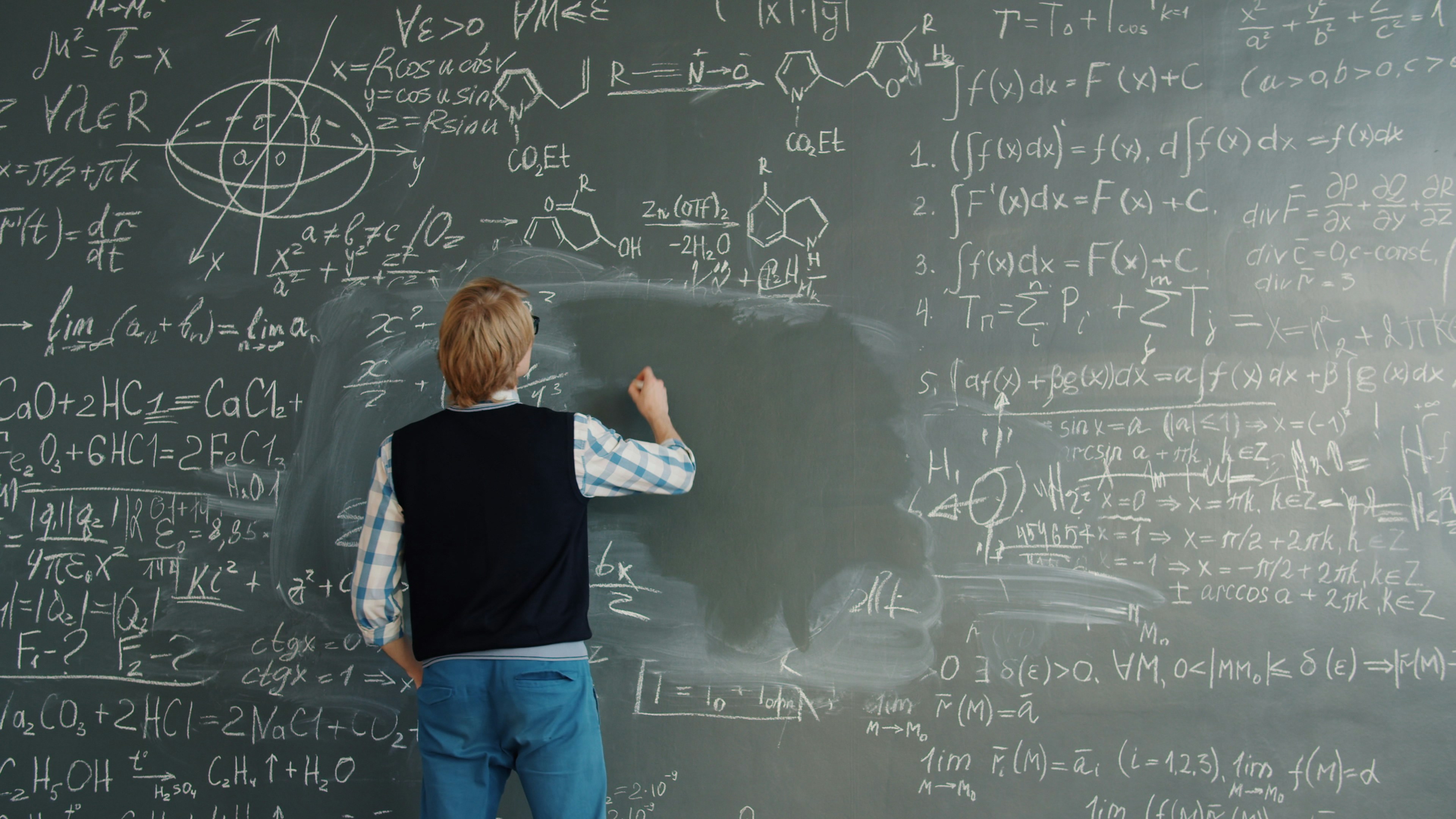
Struggling to get pass, obtaining the final few percentage points in your assessments or simply plain lost? It does not matter what level you deem yourself to be at; all of us have been in a pinch throughout the juggernaut of VCE Physics no matter the unit currently being studied.
Fortunately, many of the issues we face throughout this subject are shared conceptually amongst an abundance of students across all walks of VCE. In this article, we will delve into five of the most common challenges you may face, and our recommendations to triumph over them.
1. Knowing where to start in questions
Physics has always had a stigma for being a very ‘calculation heavy’ subject in comparison to the other sciences. (We will forget stoichiometry for the time being!) This is in some part thanks to the abundance of formulas and ways to solve what is often the same question and in a mark-gathering game such as SACs or exams, it is easy to be overwhelmed.
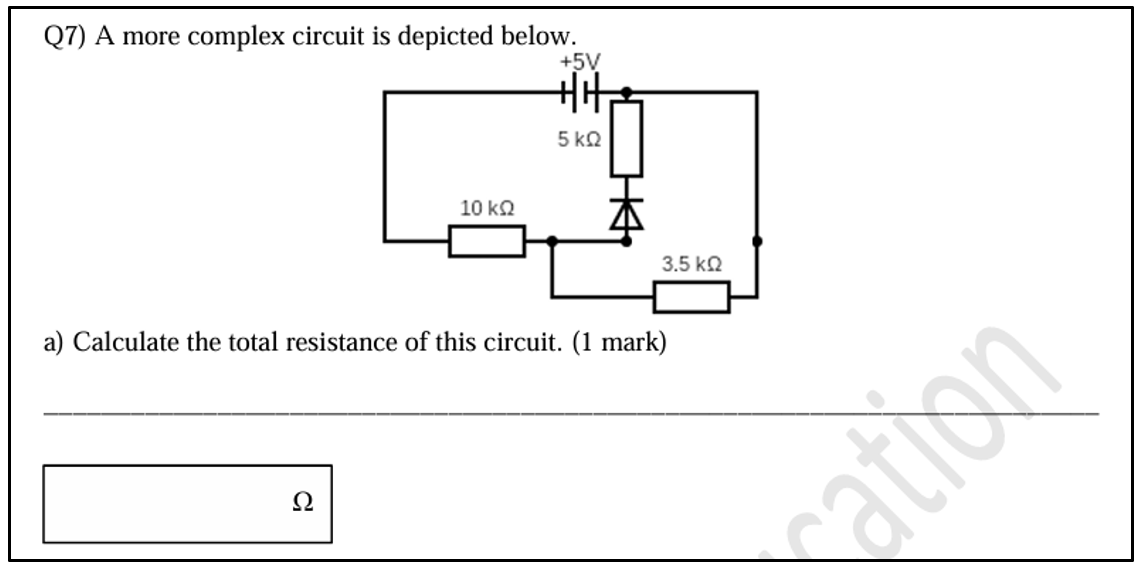
The above excerpt from one of our year 11 practice SACs is a good example of a question that reflects the confusion many students have in solving questions. It is important to remember that these questions are typically designed to appear harder than they actually are.
For instance, the above question can be more easily interpreted by simply removing the diode section, as it is the wrong way around, giving us a far simpler series circuit to work with:

Along this vein, there are some simple strategies we can employ to overcome this issue:
- Redraw diagrams as simple as possible
- Highlight key information and discard ‘red herrings’
- List the formulas directly related to the concepts of the question, and use the process of elimination
While these can definitely help in getting unstuck, ultimately the greatest tactic will be more practice and in particular, more exposure to a wider variety of questions.
The textbooks used by school are great at introducing concepts to students, but are often poor at sharpening the skills necessary to tackle tricky assessments, giving students a false sense of security.
Having a mentor can also speed up this process, as they can help clear up confusion on how to break down questions and minimise time wasted questioning yourself rather than getting productive study done.
2. Remembering content, new and old
Whether it be the sweeping-scope of thermodynamics, the deep-dive into nuclear mechanics, the puzzling-paradigm of electricity or the great-glut of motion content, VCE Physics can very quickly become a game of memorisation and rote-learning. For example, unit 1 in particular houses four distinct topics! (Thermodynamics, Electricity, Fields and Nuclear Mechanics) Much of the content of units 3 and 4 builds on top of units 1 and 2 and are definitely not unrelated, making it all the more important to hone this skill.
This subject may often feel like a game of proverbial whack-a-mole in addressing the forgetting of older content, but it does not have to be that way. Not everyone studies or learns the same way. So, we propose a few solutions to this matter:
- Regularly review older content
We need to begin somewhere and without revision, you will likely forget content from earlier in the year. While there is considerable overlap of subject areas in some difficult questions, it is not sufficient to rely on those alone.
- Do not rely on rote-learning passages or phrases
It can be very tempting to simply rote-learn passages and regurgitate for worded questions. This, however, is poor practice as you will only be setting yourself up for failure.
Some of the most difficult VCE Physics exam questions have been worded responses, where the examiners are frequently quoted to judge memorised responses with extreme prejudice. Instead, we need to actually understand why the answer is the case, allowing yourself to answer a more flexible range of questions rather than the strict original form you memorised for.
- Understand why before moving on
The rush of VCE makes it too easy to run through your coursework in an effort to check off boxes without stopping to reflect. As you can imagine, this leads to many students to skip the step of actually understanding concepts and get stuck in a metaphorical ditch later on in the year. As such, ask yourself if you truly understand why ‘x’ does ‘y’ first, before progressing to next week’s content.
3. Finding resources to help
We mentioned frequently throughout this article that practice is paramount to success in overcoming these issues. However, it can often be troublesome and tiring to do this all on your own – especially when it comes to finding the extra questions to actually work through. Often times free online resources are rife with either AI generated content of poor quality, or questions that simply lack the depth necessary to adequately prime students’ ability in preparation for real VCAA exams.
Resources are a cornerstone of your study and can often steer the course for greater academic heights depending on their quality and quantity. We find that many students are simply looking for more; whether it be insight from high-achieving past students, an extensive high-quality question bank accompanied with step-by-step solutions, group classes or even specially tailored one-on-one sessions and people who just really ‘get’ VCE Physics.
You could scour the internet for hours or even days looking for all this, or you could check out our range of services at Complete VCE Education – the only tutoring centre in Victoria ‘completely’ specialising in furthering students’ knowledge of this often challenging yet rewarding subject.
Please feel free to contact us if you have any queries through our website. We look forward to seeing you in the classroom, whether that be in Melbourne CBD or on Zoom, in the near future!
Our Team
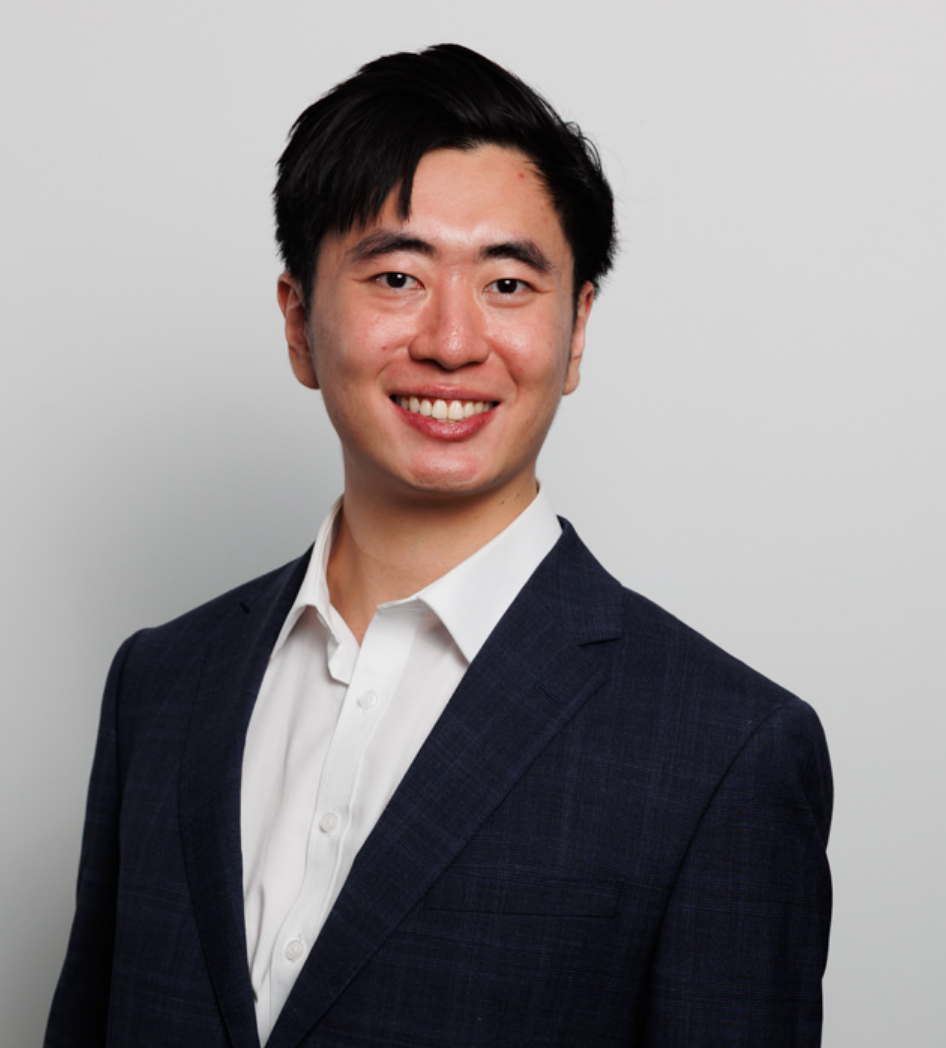
Dr. Raphael Chang
Founder
Founder
• 99.90 ATAR
• Qualified Medical Doctor
• 8+ Years of experience tutoring
• Qualified Medical Doctor
• 8+ Years of experience tutoring

Mr. Chris Tran
Methods Tutor
Methods Tutor
• 99.95 ATAR
• Raw 50 in 5x Subjects
• #1 Ranked in VCE 2023
• Studying MD @ Unimelb
• Raw 50 in 5x Subjects
• #1 Ranked in VCE 2023
• Studying MD @ Unimelb
.jpg)
Mr. Asel K.
Physics Tutor
Physics Tutor
• 99.95 ATAR
• Raw 50 in VCE Physics
• Studying MD @ Unimelb
• Raw 50 in VCE Physics
• Studying MD @ Unimelb

Mr. Logan Divers
Physics Tutor
Physics Tutor
• 99.70 ATAR
• Raw 48 in VCE Physics
• Studying BDSc @ La Trobe
• Raw 48 in VCE Physics
• Studying BDSc @ La Trobe

Ms. Megan Tan
Physics Tutor
Physics Tutor
• 99.85 ATAR
• Raw 50 in VCE Physics
• Studying BDSc @ La Trobe
• Raw 50 in VCE Physics
• Studying BDSc @ La Trobe
~2.jpg)
Mr. Jamie HC
Bio & Chem Tutor
Bio & Chem Tutor
• 99.35 ATAR
• Raw 50 in VCE Bio and Chem
• Studying MD @ ANU
• Raw 50 in VCE Bio and Chem
• Studying MD @ ANU
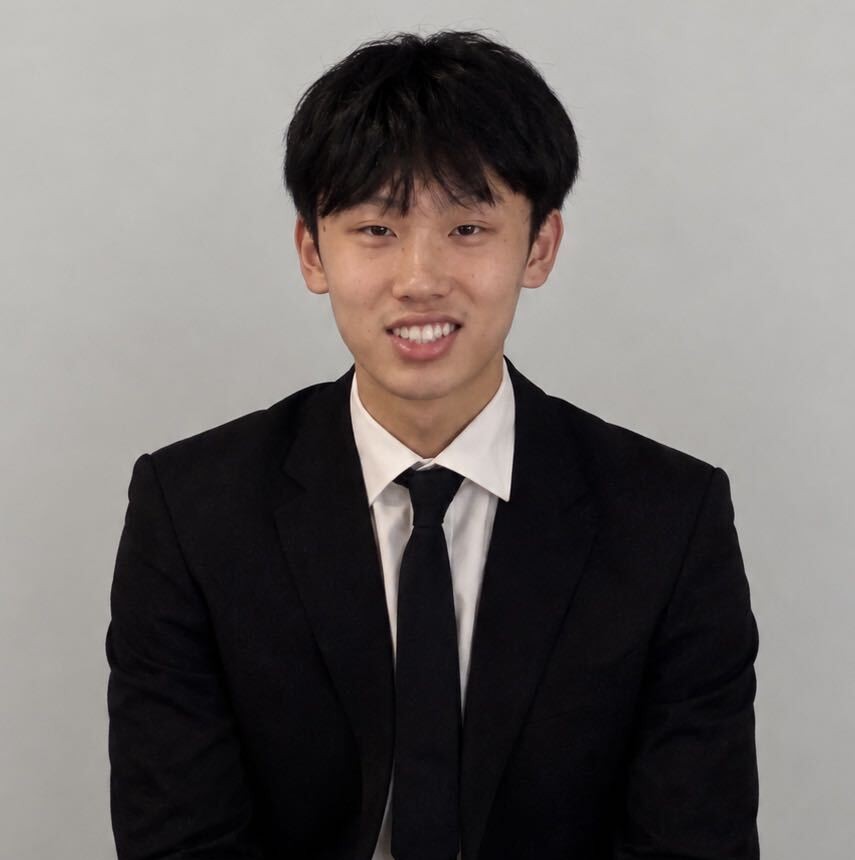
Mr. John Feng
Methods Tutor
Methods Tutor
• 99.80 ATAR
• Raw 48 in VCE Methods
• Studying MD @ Monash
• Raw 48 in VCE Methods
• Studying MD @ Monash
Free VCE Science and Maths Resources
No spam. Just the latest blogs and tips, practice questions, and exclusive guides directly to your inbox - no strings attached.
Thank you! Your submission has been received!
Oops! Something went wrong while submitting the form.


